It was 1998 and we were a year into autism early intervention. What you did or didn't do beyond the standard speech/language, occupational and educational therapies was controversial. I found it all grueling. The rigor. The constancy. Where, I asked, was the childhood pleasure of creating art, the joy of music and the ecstasy of dance? My daughter needed help to attend the arts classes my friends' typically developing children attended. I kept on with the rigors of early intervention, but I ventured toward a very unconventional route, beating the bushes to find in Middle Tennessee dance/movement, music and art therapists.
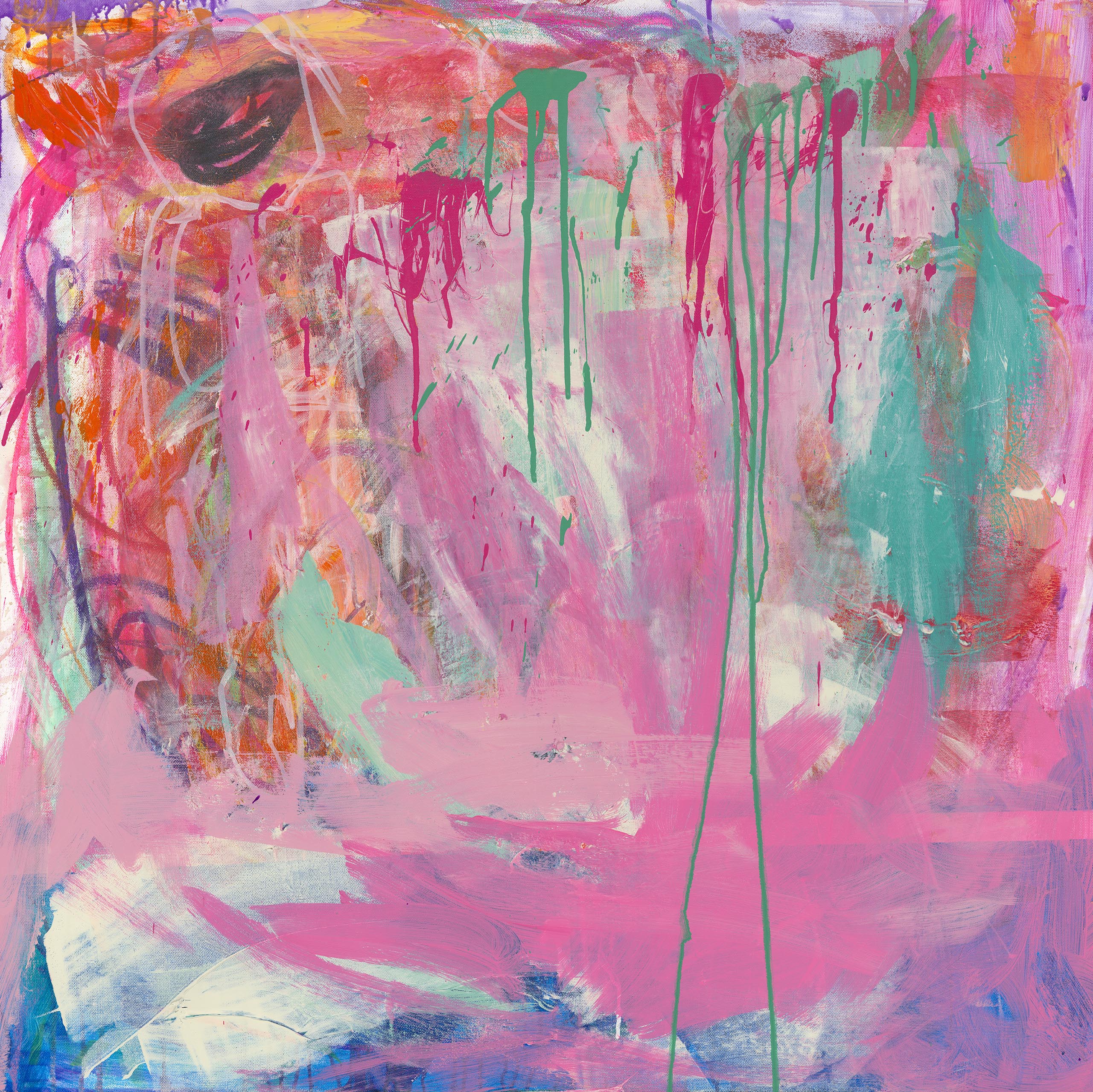
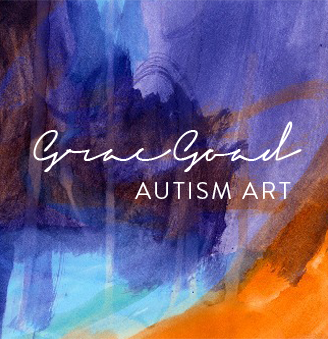
What our family discovered was that our preschooler had perfect pitch and perfect rhythm. To this day she loves to cut a rug. Wildly so. But visual art? I remember the look of excitement and wonder after the first session with our first art therapist. We got it then that our daughter had an affinity for color and composition. She had a gift that she would demonstrate again and again over the next 15 years. An ability that was often years beyond her chronological age.
The creative branch of our journey all began with an exploration for wonder lost in the deluge of teaching her the basics she didn't possess--much of them still does not. I first heard Temple Grandin speak around that time. She told parents that when our children turned 14, to zone in on what interested them for it would be their future social group and career paths. We found ours 10 years before that. We found it at four.
While I attended a portfolio-based arts high school in South Carolina and gravitated to art all my life, I never did much overtly with it come college. I allow my family's taboo attitudes toward art to chain me for many years if not still now. But, in the work of my daughter, I knew what to look for and what I was seeing and I knew, because it has been my career--30 years in communications--how to package and market like hell. I also began reporting on art here in Nashville nearly a decade ago via magazines, newspapers and my blog.
The deal is that my daughter is not that unique. Well, she is and she isn't. We are all unique. True. But I just knew what to look for and how to help her. There are other artists (with autism and other disAbilities) like her world-wide. Just not that many here. We are in a city of art but a state that does not value education and the education of art. Nor the education of students with disAbilities. Many parents, many people, everywhere, do not understand art. They do not realize there are legions of artists who paint abstractions for thousands of dollars and more. So, I've watched other classmates of Grace who I knew had talent go undiscovered by their teachers, the system, their incredulous parents, even when told them their children had ability. I cannot fault them. The world, especially our culture, does not get art. It is underfunded, underappreciated, misunderstood, devalued. Match that with a severe disAbility and it gets buried more times than not.
It's time to change that. We must change it. We must change it for those growing up behind us. We must change it for those who are already grown up. And, sadly, it is often only then that we do discover their talent for visual art and even begin to give chances for adults with disAbilities to express their often innate ability. Lost potential. Lost pleasure. Lost profit.
Let's go back to the beginning. The beginning of making art for the fun of it. And then see where it can take us. Let's go for the wonder and surprise.
The video above launched the beginning of Honestly Autism Day in Baltimore. We'll be sharing this and other videos on music and dance/movement before our presentations start. We'll be explaining why having someone educated in developmental disAbilities plus a creative art is often the strongest link for reaching a person with disAbilities' maximum abilities. Please share this post with others so that they will know. Everyone deserves the joys of creative arts. Everyone deserves a chance to explore whatever their potential. And, everyone has some sort of potential be it art or otherwise.